
Your Science Luxembourg a été fondée sur une conviction simple : les standards de la recherche académique — rigueur, précision et honnêteté intellectuelle — ne doivent pas rester la propriété exclusive des universités.
Les trois piliers de notre activité sont des expressions distinctes de cet engagement : Scientific Consulting pour les organisations évoluant dans des environnements techniques exigeants ; Formation de type stage ancrés dans la réalité opérationnelle plutôt que dans les conventions de la salle de classe ; et Allô Conseil, qui apporte la même clarté analytique aux problèmes concrets auxquels les individus sont confrontés face à la complexité de la vie moderne — litiges, réclamations et situations qui requièrent davantage que le simple bon sens.
Domaines d’expertise assermentée
Officiellement accrédité par le Ministère de la Justice du Luxembourg
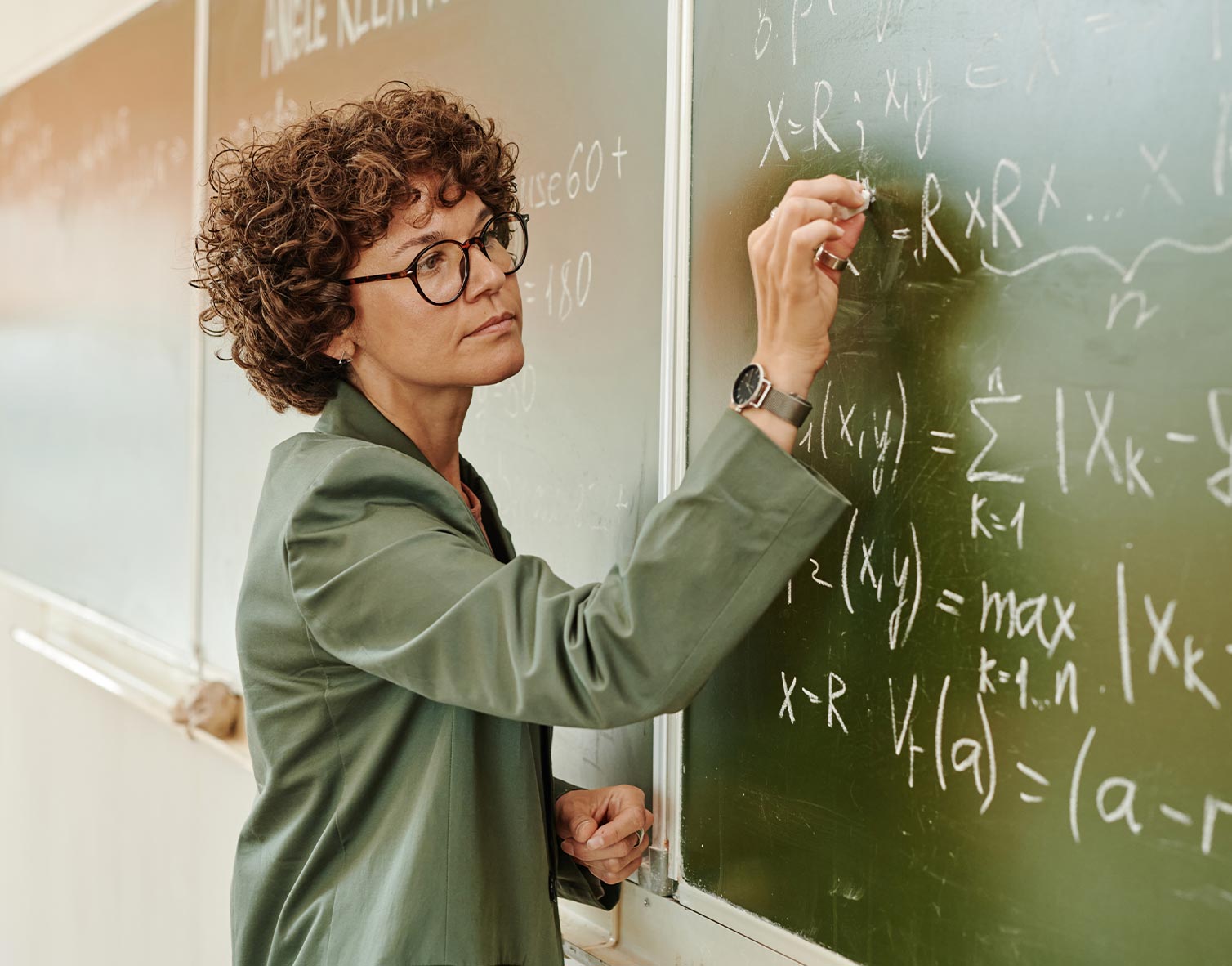
Années dans le monde académique
Dont la cofondation et la direction du Département de mathématiques et de 5 cursus à l’Université du Luxembourg
Années dans le monde académique
Dont la cofondation et la direction du Département de mathématiques et de 5 cursus à l’Université du Luxembourg
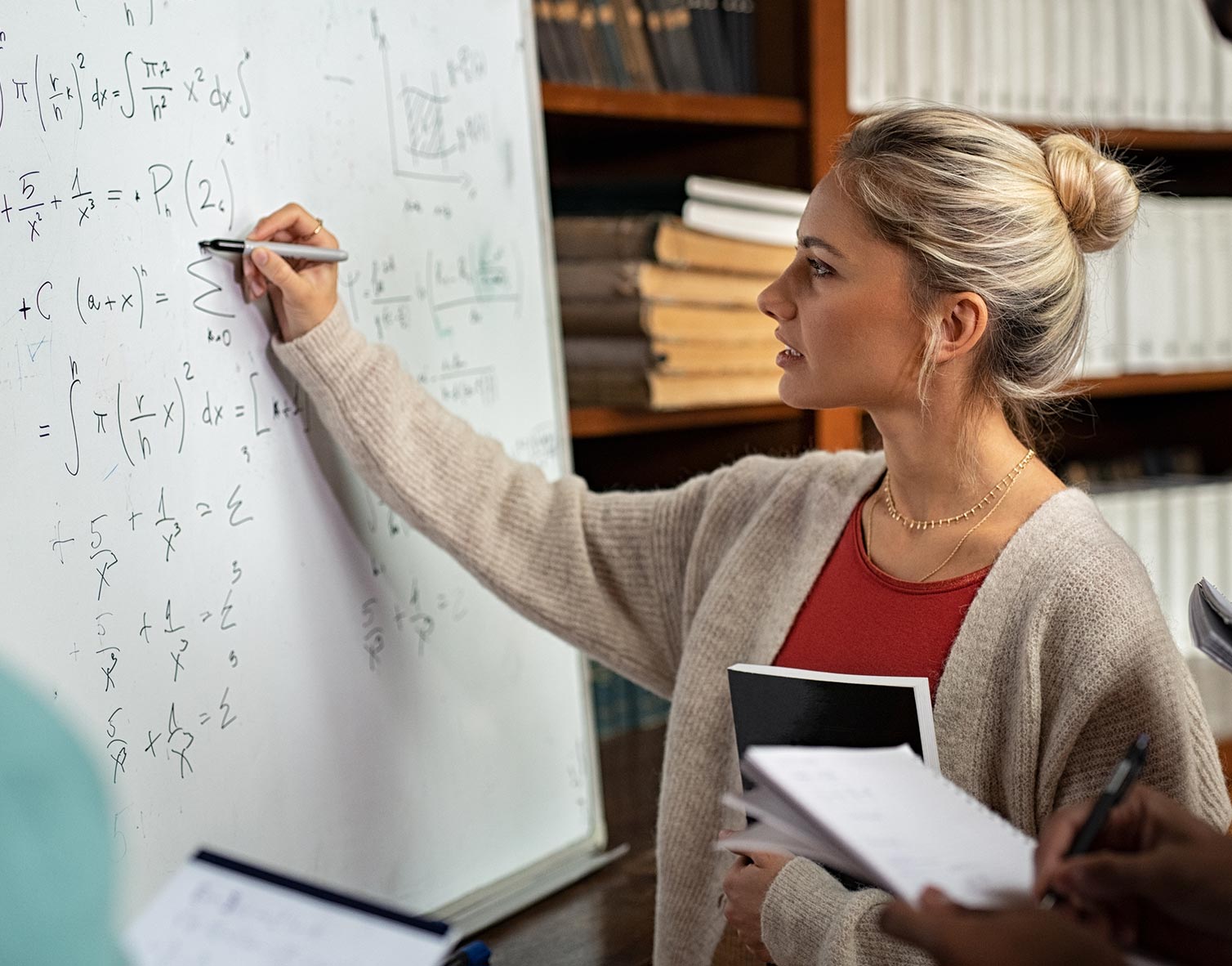
Publications scientifiques
Contributions significatives à la recherche scientifique et aux avancées académiques

Projets de recherche
Direction d’initiatives de recherche pluriannuelles et d’envergure
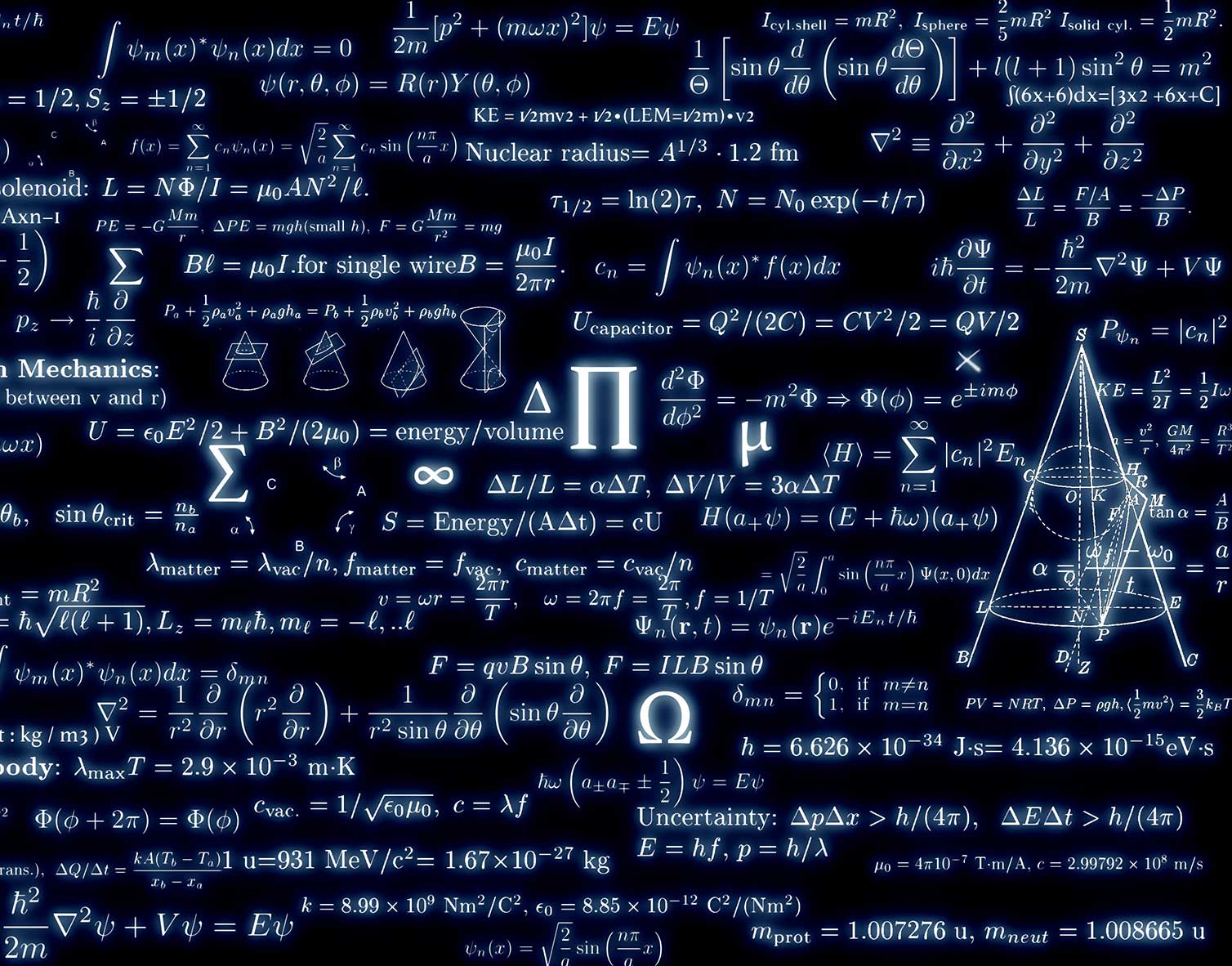
Domaines de citation
Impact dans de nombreuses disciplines, notamment l’Analyse globale, la Théorie quantique, la Relativité générale, l’Informatique et l’Analyse numérique
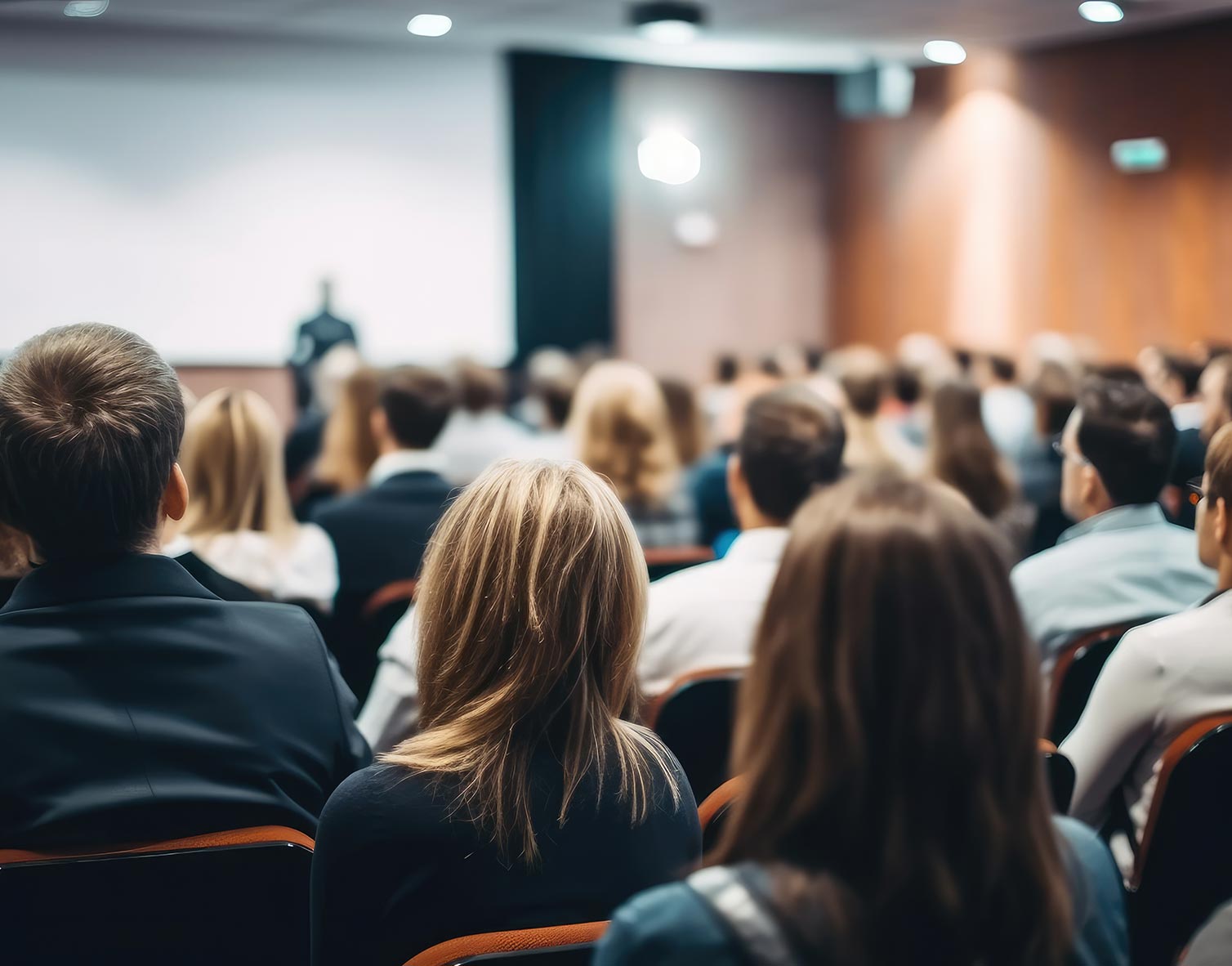
Conférences et briefings d’expert à l’international
Interventions dans des séminaires post-doctoraux et dans des centres de recherche du monde entier

Chercheurs encadrés
Supervision et accompagnement d’une nouvelle génération de chercheurs en sciences

Événements de recherche internationaux
Organisation de rencontres internationales majeures
Intégrité et assurance à chaque étape
Professionnalisme
Efficacité
Transparence
Fiabilité
Collaboration client
Dévouement
Pratiques éthiques
Engagement : Chaque mandat bénéficie de l’attention pleine et entière d’un membre senior de notre équipe, du début à la fin. Nous ne déléguons pas la responsabilité intellectuelle.
Évolutivité : Pour les mandats plus importants, nous élargissons notre équipe avec des collaborateurs sur projet, sélectionnés pour les compétences précises que votre problématique exige.
Partenariats : Dans les cas particulièrement complexes, nous discutons de notre approche avec des collègues et pairs externes. De tels échanges n’ont lieu qu’avec votre accord préalable et explicite.
Rapports : Nos rapports sont complets et transparents. Nous exposons notre raisonnement, pas seulement nos conclusions — afin que vous puissiez examiner la réponse de façon critique, plutôt que de simplement l’accepter.
Flexibilité : Nous maintenons nos standards. Dans les rares cas où un projet nécessite un ajustement, nous prenons l’initiative — nous n’attendons pas qu’on nous le demande.
Rencontrez les experts qui conçoivent votre solution
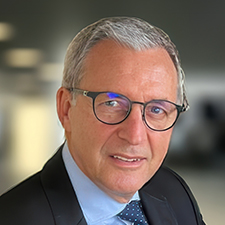
Norbert is a Luxembourgish mathematician, who was originally educated as a mathematical analyst and has worked extensively in partial differential equations (PDEs) at the University of Liège. His Master’s thesis focused on the propagation of singularities in boundary value problems (BVPs) for dynamic hyperbolic systems. Applying the finite element method (FEM), his subsequent dissertation addressed BVPs for complex elliptic systems of PDEs. For his doctoral thesis, he explored mathematical quantization, while his post-doctoral education at the Polish Academy of Sciences strongly emphasized theoretical physics and its models.
Norbert has served as a Full Professor of Mathematics at the University of Luxembourg for more than 25 years and collaborated with more than 25 foreign professors and post-doctoral scholars. He has organized numerous academic events, notably approximately 10 international research meetings and over 20 research seminars focusing on theories, frameworks, concepts and models in Physics and Engineering. Beyond a substantial publication record in Differential Geometry, Algebraic Topology, and related disciplines, he has contributed roughly 25 papers to the fields of Mathematical Physics and Quantum Theory.
He was the leading instructor for over 20 university courses. Spanning a diverse spectrum of subjects, including mathematical analysis, probability theory, inferential statistics, point and solid dynamics, Lagrangian and Hamiltonian mechanics, mechanics of deformable solids, fluid dynamics, special relativity, quantum physics, geometric methods in mathematical physics, and supersymmetric models, his teaching portfolio underscores his extensive experience in applied aspects of mathematics. His main interest is currently mathematical modeling in synergy with data and algorithms.
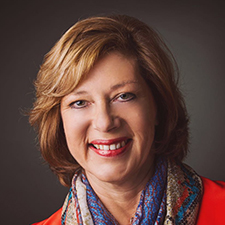
Raymonde contributes a diverse array of expertise to our team, overseeing coaching activities, client-focused solutions, behavioral modeling, while cooperating on data-related inquiries and addressing legal issues.
With a Research Master’s degree in Cognitive and Clinical Neuroscience from the University of Maastricht, complemented by a Doctorate in Psychobiology and Psychophysiology from the University of Luxembourg and further post-doctoral education in Paris, Raymonde has accumulated twelve years of academic engagement, encompassing over seven years of research experience. Her previous role as Senior Researcher in Pain Disorders at the Institute of Health & Behavior honed her skills in understanding human behavior and brain function.
In addition to her academic achievements, Raymonde has navigated a dual career path. She has held leadership roles in law and public service, including Vice President of the European Union of Rechtspfleger and membership on the Executive Committee of the Luxembourg General Confederation of Public Service.
Currently, Raymonde operates as a psychotherapist while remaining actively involved in research. Her expertise extends beyond her primary fields of biological psychology and behavioral therapy to include proficiency in data analysis, enhancing her ability to develop evidence-based strategies and solutions. Fluent in English, French, and German, she adeptly communicates complex ideas and collaborates effectively across diverse teams.
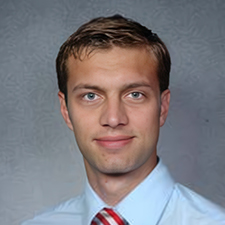
Waldemar, originally trained as an industrial mechanic in systems technology, embarked on the ‘zweiten Bildungsweg’ to earn his engineering diploma from the Georg-Simon-Ohm Polytechnical Institute in Nuremberg. During his studies, Waldemar’s thesis work at MAN Truck and Bus provided valuable hands-on experience, enriching his theoretical knowledge with practical application. Further, he completed an industry semester at the technology corporation ZF Friedrichshafen AG, deepening his understanding of industrial processes and systems.
In addition to his engineering diploma, Waldemar holds certifications as a Quality Management Specialist from the Technical Inspection Association of the Rheinland, as well as certifications as a coach for Continuous Improvement Processes and as a Six Sigma practitioner. His expertise in Six Sigma methodologies enables him to optimize business processes by reducing defects, minimizing variation, and enhancing overall quality and efficiency.
With over a decade of experience, Waldemar has assumed various roles including project engineer, quality manager, and supply chain developer. His extensive experience spans across companies such as BMW AG, Conti Temic microelectronic GmbH, Valeo Siemens eAutomotive GmbH, and Continental Engineering Services.
In our team, Waldemar’s role includes overseeing projects, establishing quality control processes, and serving as a client liaison to understand needs and requirements. He bridges real-world challenges with mathematical solutions, integrating computational engineering skills to craft practical and effective strategies.
To provide the best experiences, we use technologies like cookies to store or access device information. Consenting to these technologies allows third-party services such as Google Maps and Google Analytics to store or access limited technical data (e.g., browser type or visit patterns). This helps improve user experience and collect anonymous usage statistics.